Call Us
+91 94000 00108
Email Us
Call Us
Email Us
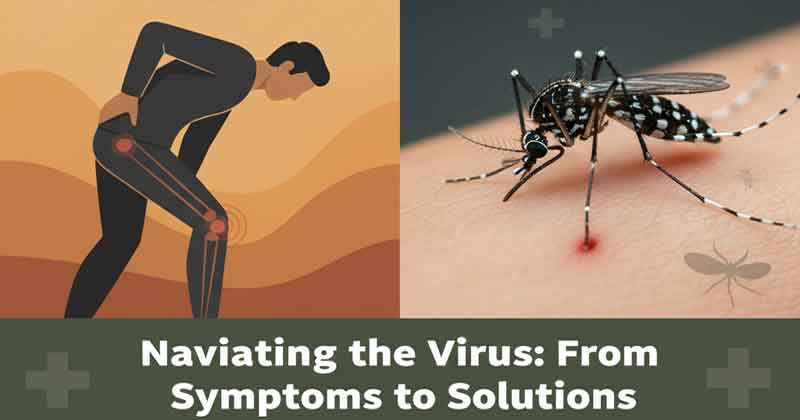
Chikungunya is a viral disease transmitted to humans by infected mosquitoes, primarily the Aedes aegypti and Aedes albopictus species. While rarely fatal, the disease is notorious for causing severe, often debilitating joint pain, so much so that its name is derived from a word in the Makonde language of Tanzania meaning "that which bends up" or "bent over in pain."
With outbreaks reported across the Americas, Africa, Asia, and even parts of Europe, understanding the symptoms, proper prevention, and supportive treatment methods is crucial.
Symptoms typically appear suddenly, 3 to 7 days after an infected mosquito bite. The most common and defining symptoms are a sudden onset of fever and intense joint pain.
While acute symptoms usually resolve within a week to ten days, the joint pain can persist for months or even years in some patients, leading to chronic arthritis. Severe complications are rare but can occur in high-risk groups, including newborns, older adults (over 65), and people with underlying medical conditions like diabetes or heart disease.
Since there is no specific antiviral medicine to cure Chikungunya, prevention is the most effective way to combat the disease. Prevention strategies focus entirely on avoiding mosquito bites and eliminating mosquito breeding sites.
Currently, there is no specific antiviral drug or cure for Chikungunya. Treatment is supportive and focuses on relieving the symptoms, allowing the body's immune system to fight off the infection.
| Management Strategy | Details | Key Medications |
|---|---|---|
| Pain and Fever Relief | Manage fever and joint pain. Crucially, avoid aspirin and Non-Steroidal Anti-Inflammatory Drugs (NSAIDs) like ibuprofen or naproxen until a diagnosis of Dengue fever is ruled out, as these can increase the risk of bleeding if the illness is Dengue. | Acetaminophen (Paracetamol) is the preferred first-line treatment. |
| Rest and Hydration | Adequate rest is essential for recovery. High fever can lead to dehydration. | Drink plenty of fluids (water, oral rehydration solutions, coconut water, or soups). |
| Joint Pain Management | For persistent and severe joint pain, which can last long after the fever subsides. | A healthcare provider may recommend NSAIDs, corticosteroids, or other anti-rheumatic drugs, along with physical therapy. |
| Prevent Secondary Spread | Infected individuals should avoid mosquito bites during the first week of illness (when the virus is in their blood) to prevent the virus from being transmitted to a new mosquito, which would then spread it further. | Use mosquito nets and repellents even while sick. |
Consult a Healthcare Provider: If you or a family member exhibit symptoms of Chikungunya, especially after traveling to an area where the virus is known to circulate, seek medical advice promptly. A healthcare provider can run tests to confirm the diagnosis and rule out similar diseases like Dengue or Zika.
While historically there was no vaccine, research has advanced significantly. There are now Chikungunya vaccines that have received regulatory approvals in several countries and may be recommended for use in populations at risk, such as travelers to outbreak areas or laboratory workers. Consult with local health authorities or a travel medicine specialist for the latest recommendations on vaccine availability and suitability.

Dr. Jayan K G, MBBS, MD, is a dedicated specialist in the General Medicine Department at Government General Hospital Ernakulam. His extensive qualifications and experience ensure expert medical insight and high-quality care, making him a trusted voice in public health matters.