Call Us

+91 94000 00108

Email Us

helpforhelples@gmail.com
Rat Fever Alert: Essential Tips for Monsoon Season Safety

Rat Fever Alert: Essential Tips for Monsoon Season Safety

By Dr. K G Jayan
June 3, 2024

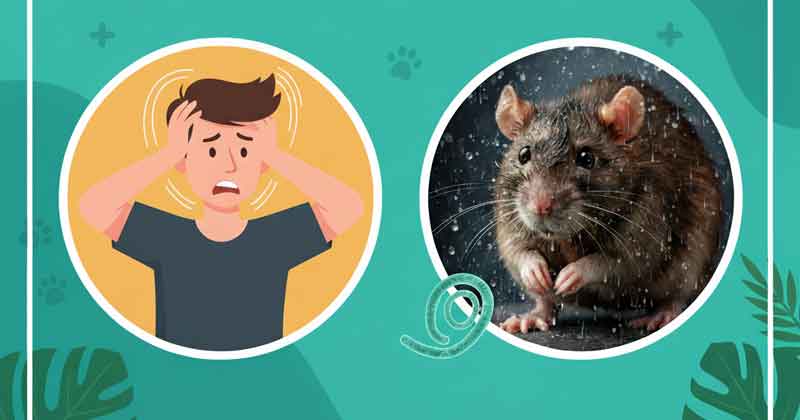
Rat fever, also known as Leptospirosis, is a bacterial infection that humans can contract through direct contact with water or soil contaminated by the urine of infected animals, primarily rats. The disease is widespread in tropical regions, including Kerala, where the monsoon season significantly increases the risk of transmission. The bacteria are shed through the urine of infected animals, and people can get infected when they come into contact with contaminated water, soil, or food. It can also spread through cuts or abrasions on the skin or when people ingest contaminated water.

In Kerala, the risk of contracting rat fever increases during the monsoon season when floods or heavy rainfall cause stagnant water to accumulate in areas inhabited by rats and other animals. This water often becomes contaminated with the bacteria, putting people who work in farming, fishing, and sanitation at risk of infection.

Causes of Rat Fever

The primary cause of rat fever is the bacteria Leptospira, which is found in the urine of infected animals, most notably rats. The bacteria can be transmitted to humans in the following ways:

  • Direct contact with contaminated water: Swimming, wading, or working in floodwaters contaminated with rat urine increases the risk of infection.
  • Contact with soil: Leptospirosis can spread when humans come into contact with soil that has been contaminated with the urine of infected rats or other animals.
  • Consumption of contaminated food or water: In rare cases, ingestion of contaminated food or water can cause infection.
  • Cuts or abrasions on the skin: If you have open wounds or scratches and come into contact with contaminated water, you may be at risk.

Symptoms of Rat Fever

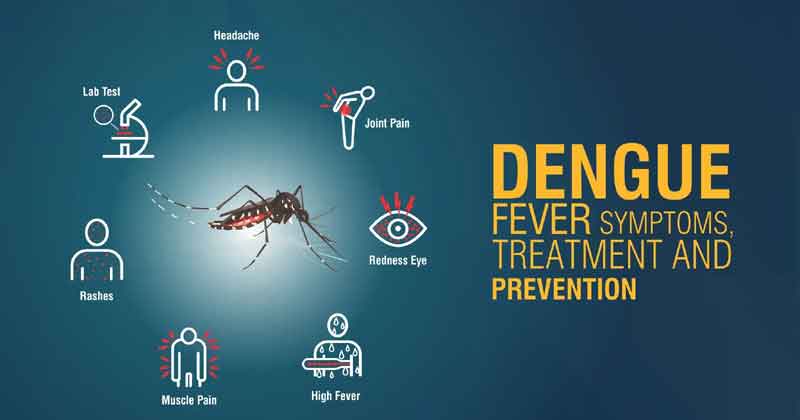
Symptoms of rat fever can range from mild to severe and may appear 5 to 14 days after exposure to the bacteria. Early symptoms are often mistaken for common flu or cold, making diagnosis difficult without proper testing. Common symptoms include:

  • High Fever: One of the most common symptoms, often accompanied by chills.
  • Headache: Intense headaches that can be quite debilitating.
  • Muscle Pain: Muscle aches, especially in the calves and lower back.
  • Red Eyes: A hallmark symptom of leptospirosis.
  • Jaundice: Yellowing of the skin and eyes, indicating liver involvement.
  • Rashes: Skin rashes may develop in some individuals.
  • Nausea and Vomiting: These symptoms often accompany the fever.
  • Abdominal Pain: Some people experience stomach pain, especially in the upper abdomen.

In severe cases, Leptospirosis can lead to liver failure, kidney failure, meningitis, or even death, especially if left untreated. If you experience any of these symptoms and have been exposed to contaminated water or soil, it’s important to seek medical attention promptly.

Treatment of Rat Fever

Leptospirosis is a treatable disease, but early detection is crucial to avoid complications. The treatment typically includes:

  • Antibiotics: The primary treatment for rat fever is a course of antibiotics, typically doxycycline or penicillin, which can help reduce the severity of the illness and speed up recovery if taken early.
  • Hospitalization: In severe cases where complications like liver failure, kidney failure, or meningitis develop, hospitalization may be required for close monitoring and supportive care.
  • Supportive Care: Patients with severe symptoms may need intravenous fluids, pain relievers, or other treatments to manage complications.
  • Dialysis: In cases of kidney failure, dialysis may be necessary to help filter toxins from the bloodstream.

If treated early, most people recover fully from rat fever. However, if the disease progresses to severe forms, it can lead to long-term damage to organs or even death.

Prevention of Rat Fever

Preventing rat fever primarily involves avoiding exposure to contaminated water, soil, and food. Here are some important preventive measures:

  • Avoid Contact with Floodwaters: During the monsoon season, avoid wading through or swimming in floodwaters, which are likely to be contaminated with urine from infected rats and other animals.
  • Wear Protective Clothing: If you work in places where you may come into contact with contaminated water or soil, such as in agriculture, farming, or flood-relief activities, make sure to wear waterproof boots, gloves, and protective clothing. Cover any cuts or wounds to prevent direct contact with contaminated materials.
  • Proper Hygiene: Always wash your hands thoroughly after handling animals, particularly rats, or after coming into contact with soil, water, or materials that might be contaminated.
  • Rodent Control: Reducing the rodent population in your home or workplace by keeping the environment clean and using rat traps or other control measures can help minimize the spread of the bacteria.
  • Ensure Safe Drinking Water: Only drink clean, treated water. Boiling water or using water filters can help reduce the risk of infection.
  • Avoid Eating Raw or Unwashed Food: Do not consume food that might have been contaminated by rats or contaminated water. Always wash food thoroughly before eating.

Conclusion

Rat fever (Leptospirosis) is a serious but treatable bacterial infection, primarily spread through contact with contaminated water, soil, and food. The monsoon season in Kerala creates ideal conditions for the spread of the disease, so it is crucial to take precautions to avoid exposure to potentially infected environments. Early diagnosis and treatment with antibiotics are key to preventing complications and ensuring a full recovery.

By taking simple steps like wearing protective clothing, practicing good hygiene, and controlling rodent populations, you can significantly reduce your risk of contracting rat fever. Stay informed, stay protected, and stay safe!

Author Profile Picture

Dr. K G Jayan

Dr. Jayan K G, MBBS, MD, is a dedicated specialist in the General Medicine Department at Government General Hospital Ernakulam. His extensive qualifications and experience ensure expert medical insight and high-quality care, making him a trusted voice in public health matters.