Call Us
+91 94000 00108
Email Us
Call Us
Email Us
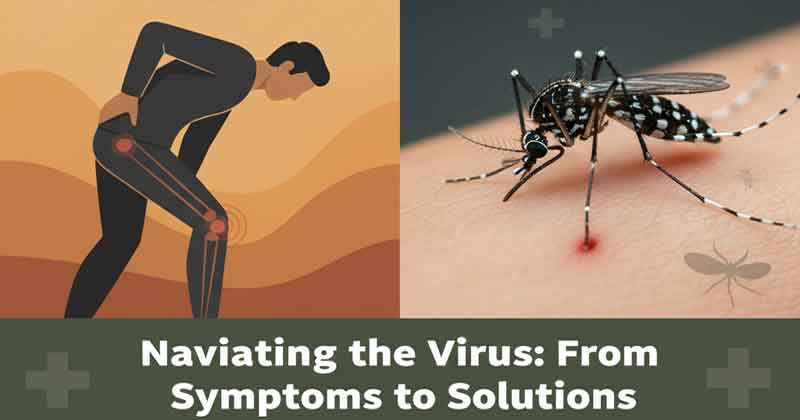
Dengue fever, a viral illness transmitted by mosquitoes, has become a significant public health concern in Kerala, especially during the monsoon season. With the increase in rainfall and water stagnation, the breeding grounds for mosquitoes multiply, making the region more susceptible to dengue outbreaks. In this blog post, we’ll discuss the causes, symptoms, and treatment of dengue fever in Kerala and provide essential tips on how to protect yourself and your family.
Dengue fever is caused by the dengue virus, which is primarily spread by the Aedes aegypti mosquito. The mosquitoes become infected when they bite a person already carrying the virus. Once infected, the mosquitoes can spread the virus to others through their bites. The disease is prevalent in tropical and subtropical regions, including Kerala, particularly during the rainy monsoon season when standing water provides ideal breeding conditions for mosquitoes.
Dengue is mainly caused by the bite of an infected Aedes aegypti mosquito, which is most active during the early morning and late afternoon. Kerala’s humid climate, coupled with seasonal monsoon rains, creates the perfect environment for mosquito breeding. Stagnant water in uncovered containers, discarded tires, and clogged drains are common breeding sites.
In Kerala, the risk of dengue increases significantly during and after the monsoon when water accumulates in households, construction sites, and other urban areas. The state's tropical climate, combined with rapid urbanization, provides ideal conditions for mosquito larvae to grow and thrive.
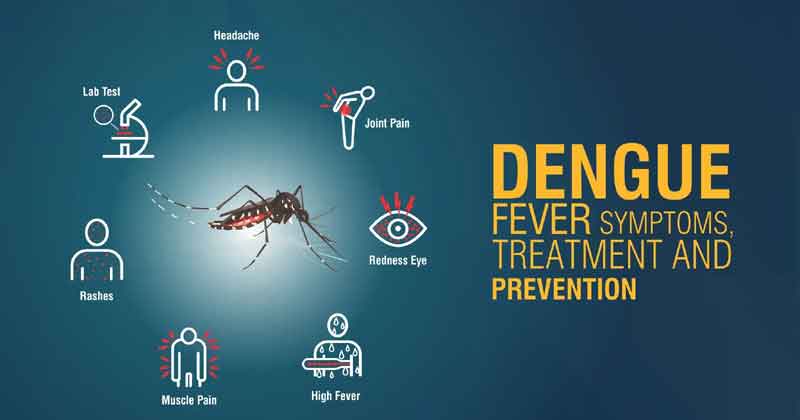
The symptoms of dengue fever typically appear 4-10 days after being bitten by an infected mosquito. These symptoms can vary in severity, but common signs of dengue include:
In severe cases, dengue can develop into Dengue Hemorrhagic Fever (DHF) or Dengue Shock Syndrome (DSS), both of which can be life-threatening. Symptoms of these severe forms include bleeding, low blood pressure, organ failure, and shock, which require immediate medical attention.
Currently, there is no specific antiviral treatment for dengue fever. Treatment mainly focuses on relieving symptoms and supporting the body’s immune response. If you suspect you have dengue fever, it is crucial to seek medical attention immediately. Here’s how dengue is typically managed:
There is no vaccine for dengue in widespread use in India, though vaccines are available in some regions. Prevention is still the most effective way to control the spread of the disease.
Since mosquitoes are the primary carriers of the dengue virus, the key to preventing the disease lies in controlling mosquito populations and avoiding mosquito bites. Here are some practical tips to protect yourself and your family:
Dengue fever remains a significant health threat in Kerala, particularly during the monsoon season. With the right preventive measures, early detection, and prompt treatment, the impact of dengue can be minimized. However, controlling the spread of the disease requires collective efforts from individuals, communities, and local authorities. By staying vigilant and adopting simple measures like eliminating stagnant water and using mosquito repellents, we can all play a crucial role in preventing dengue and protecting ourselves and our loved ones.
Stay informed, stay protected, and stay safe!

Dr. Manu P. Viswam, Consultant, Orthopedic Surgery at Govt General Hospital Ernakulam, is a highly reputable expert in the field. He also heads the Help for Helpless charitable organisation in Paravur.